Smart Load‑Shedding Panels for 100‑Amp Homes: How They Work and What They Cost
Want heat pumps, induction cooking, and EV charging without a pricey utility service upgrade? Smart load‑shedding panels let 100‑amp homes add big electric loads safely by orchestrating what runs, and when.
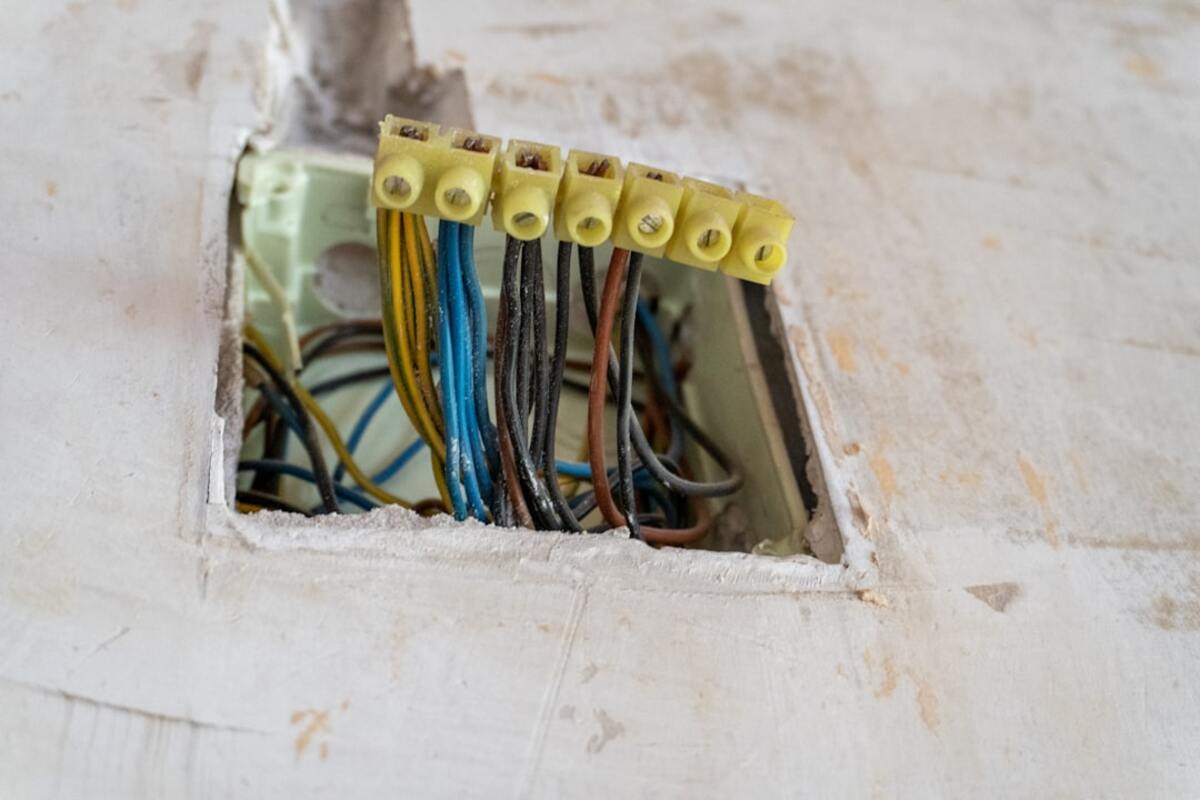
- Smart panels monitor your total amperage and automatically pause lower‑priority circuits before you trip the main.
- Many 100‑amp homes can add an EV charger and a heat pump without a utility service upgrade when loads are prioritized.
- Expect $1,500–$5,000 installed, depending on whether you replace the panel or add a retrofit controller to your existing one.
If you live in a home with a 100‑amp electrical service, you may have been told you must upgrade to 200 amps before adding an EV charger, heat pump, or induction range. For many households, that advice is out of date. A new wave of smart load‑shedding panels and retrofit controllers can keep your total draw under the main limit by automatically prioritizing circuits. The result: you get the comfort and convenience of an all‑electric home, often without the expense and delays of a utility service upgrade.
Think of a smart panel as an air traffic controller for your home’s electricity. It continuously measures how much current the whole house is using. When you approach your 100‑amp limit, it temporarily pauses lower‑priority circuits—like an EV charger—so higher‑priority essentials—like space heating or cooking—keep running. When the load drops, it resumes the paused circuits automatically.
What a smart load‑shedding panel actually does
A conventional panel is a passive box of breakers. A smart load‑shedding panel (or add‑on controller) adds brains. It uses current transformers (CTs) to monitor amperage at the service mains and, in some cases, at individual circuits. Software then compares real‑time usage to a limit you set (often just under the main breaker rating) and executes a priority plan.
There are two main approaches:
- Full smart panel replacement. The entire panel is swapped with a unit that integrates monitoring, switching, and app controls. Pros: tight integration, whole‑home visibility, clean install. Cons: higher cost, full panel swap, more permit complexity.
- Retrofit controllers. A separate control box sits near your existing panel and adds controllable relays or contactors to select high‑load circuits. Pros: keep your panel, lower cost, targeted control. Cons: fewer native app features, extra wiring to target circuits.
Both types let you set circuit priorities, such as:
• Tier 1 (Always on): refrigerator, lighting, networking, medical devices.
• Tier 2 (Strong priority): space heating/cooling, well pump.
• Tier 3 (Flexible): water heating, clothes drying.
• Tier 4 (Lowest priority): EV charging, outdoor heat, hot tub.
When total usage nears your service limit, the controller evaluates the tiers. If a Tier 1 and Tier 2 load request power simultaneously, the system can automatically pause a Tier 4 EV charger or a Tier 3 water heater for a few minutes. Most loads are naturally intermittent, so even short pauses add up to meaningful capacity without noticeable inconvenience.
Under the hood, these systems rely on UL‑listed components and comply with panel listing requirements (UL 67 for panels; UL 916/60730 for energy management and control). Electricians program a housekeeping limit (for example, 80–90 amps on a 100‑amp service) to maintain headroom and avoid nuisance trips. You still have the same main breaker protection; the smart logic simply prevents you from ever reaching it.

Can a 100‑amp home really go all‑electric?
For many households, yes—especially with modern, efficient appliances and smart orchestration. Here’s why. A traditional load calculation assumes a worst‑case scenario where many big loads run at once. Real homes rarely do that. Diversity—the fact that loads take turns—combined with deliberate prioritization allows a smaller service to support surprisingly large loads.
Consider a 1,600‑sq‑ft home planning to add a 2–3 ton heat pump (20–30A), a heat pump water heater (10–20A), an induction range (30–40A), and a Level 2 EV charger (24–40A). Add those nameplates together and you might exceed 100 amps. But with smart control you can:
• Temporarily pause EV charging when cooking or when auxiliary heat kicks in.
• Schedule water heating to run after evening cooking or overnight when everything else is quiet.
• Cap the EV charger at a modest current (say 24A) and raise it later if headroom allows.
Homeowners report that with these settings, the main rarely sees more than 60–80 amps even during busy evenings. The EV simply completes its charge later at night, which is usually fine as long as the next day’s driving isn’t extreme.
Heat pump performance also helps. Inverter‑driven compressors ramp and sip power rather than gulp it. Induction ranges heat quickly, so cooking peaks are short. Heat pump water heaters draw far less than resistance tanks. Smart panels amplify these efficiency gains by sequencing the few remaining peaks.
Which systems are out there, and what do they cost?
Offerings change quickly, but the table below reflects common categories. Pricing varies by market and panel size; think in ranges until you get bids.
| Approach | Example Products | Circuits Managed | Typical Installed Cost | Pros | Watch‑outs |
|---|---|---|---|---|---|
| Full smart panel replacement | Dedicated smart load‑shedding panels from major brands | Whole panel; per‑circuit visibility | $3,500–$8,000 | Clean integration, robust apps, future‑proofing, easier solar/backup coordination | Higher hardware cost, longer install, panel swap permits |
| Retrofit controller on existing panel | Load controllers that add contactors/relays to big circuits | Targeted (4–12 high‑load circuits) | $1,500–$4,500 | Lower cost, keep your panel, faster install | Less elegant, limited circuit count, app experiences vary |
| Breaker‑level control | Smart breaker ecosystems for select panels | Many circuits, granular control | $2,500–$6,000 | Native fit and finish, scalable per breaker | Ties you to one panel brand and smart breaker availability |
| EV‑centric load management | EVSE with built‑in load sharing or service guard | Primarily EV charging | $900–$2,500 | Cheapest way to add L2 charging to 100‑amp service | Only solves EV load; other big loads still unmanaged |
When comparing vendors, look for these basics:
• UL listings appropriate to function (panel vs. controller).
• Per‑circuit vs. mains‑only monitoring (per‑circuit is more insightful).
• Offline behavior (should fail safe, preserving essential loads).
• App quality and data access (daily/weekly trends help you tune priorities).
• Integrations (thermostats, EV chargers, time‑of‑use rates).
Installation, permitting, and what your electrician will do
A licensed electrician should handle the install. Expect a site assessment first: they’ll verify service size, panel condition, grounding and bonding, available breaker spaces, and routing for CTs (current sensors). They’ll also identify which high‑load circuits make sense to control: EV charger, water heater, dryer, range/oven, sauna/hot tub, baseboard zones, or mini‑split backup heat strips.
Permitting varies by jurisdiction. A full panel replacement usually requires a standard panel change permit and a meter pull coordinated with the utility. A retrofit controller often needs an electrical permit but not a service upgrade. Either path should include proper labeling at the panel noting the presence of an energy management system and the controlled circuits.
On installation day, power is typically off for part of the work. The electrician mounts the smart panel or controller, installs CTs around the service conductors (without disconnecting them, using split‑core CTs where appropriate), runs low‑voltage leads, and adds contactor enclosures or smart breakers for targeted circuits. They will also ensure GFCI/AFCI requirements remain met and that any switched circuits are listed and rated for the specific load type.
Commissioning involves connecting the system to your home Wi‑Fi or Ethernet, setting your service limit (e.g., 90A on a 100A service), and creating circuit priority tiers. Your electrician may simulate high loads—turning on the range, dryer, and EV charger—to verify shedding behavior before they leave.
Budget planning is straightforward when you know the pieces. Hardware typically accounts for 50–70% of cost; labor and permits fill the rest. If your existing panel is in poor condition or short on spaces, a panel replacement plus smart control may net a similar total cost versus fixing the old panel and adding a controller separately.
Tuning priorities for different households
Once installed, the real value comes from tuning. Start conservative, then loosen constraints as you build confidence from the data.
EV‑heavy commuter household
• Cap EV charging to 24–32A and schedule from midnight to 7 a.m. on off‑peak rates.
• Tier 1: HVAC, fridge, lighting, networking. Tier 2: water heater. Tier 3: dryer, oven. Tier 4: EV.
• Enable dynamic shedding so the EV pauses when the oven or heat pump ramps.
Small home office
• Treat office circuits as Tier 1 from 8 a.m.–6 p.m.; let EV/water heat move overnight.
• If you run space heating with backup resistance strips, set strips to Tier 3 so the heat pump compressor (efficient) outranks the strips (power‑hungry).
Cold‑climate heat pump with backup strips
• Give compressor and air handler top priority. Assign auxiliary heat strips to a lower tier with a short delay so they don’t start when the oven or dryer is running.
• If extreme cold forces strip use, the system can momentarily pause EV charging rather than dimming lights.
All‑electric with solar
• Some smart panels coordinate with solar and batteries. During the day, allow water heating or EV charging to “soak up” solar surplus. At night, tighten limits to preserve battery capacity for essential loads.
Data helps you refine. After a week or two, check the app’s daily maxima. If you never exceed 60–70 amps, you can raise your EV charging current or relax some priorities. If you often graze 90 amps at dinner, consider shifting water heating later or setting your range to an Eco power limit for everyday cooking.
As for comfort, most households barely notice the orchestration. An EV charger pausing for 15 minutes doesn’t change your morning commute. A heat pump water heater can reheat after the dinner rush. The dryer can wait until the oven is off. You enjoy modern, efficient appliances without a trench to the street or a months‑long utility queue.
Utilities are increasingly supportive of this approach because it reduces peak demand and defers costly grid upgrades. In some regions, rebates exist for load management hardware, particularly when paired with controlled EV charging or electric heat. Ask your electrician and check your utility’s marketplace.
Future‑proofing is another angle. If you’re already opening the panel for a remodel, installing a smart panel now may save headaches later when you add solar, a battery, or a second EV. The software can evolve with firmware updates, unlocking new integrations and rate‑optimized charging or heating schedules over time.
Finally, remember that smart load shedding isn’t a license to overload circuits. Individual branch circuits must still be sized and protected correctly for their loads, and continuous loads (like EV charging) need 125% sizing per code. The intelligence sits on top of those fundamentals, keeping the sum of all active loads within the main service limit.
Maybe not. Many homes comfortably run heat pumps, an induction range, and a Level 2 EV charger on 100 amps with smart shedding. If you plan multiple EVs, a large workshop, or electric spa loads, a 200‑amp service may still make sense. A smart panel can defer that decision for years.
Maybe not. Many homes comfortably run heat pumps, an induction range, and a Level 2 EV charger on 100 amps with smart shedding. If you plan multiple EVs, a large workshop, or electric spa loads, a 200‑amp service may still make sense. A smart panel can defer that decision for years.
Core load management runs locally. The system should continue to monitor and shed based on your last saved priorities. You’ll lose app access and cloud features until connectivity returns, but your home remains protected.
Core load management runs locally. The system should continue to monitor and shed based on your last saved priorities. You’ll lose app access and cloud features until connectivity returns, but your home remains protected.
Yes—when done with listed equipment designed for the purpose. EVSEs can be paused and resumed via control signals. Heat pump water heaters cope well with short delays. Your installer will avoid controlling loads that should not be interrupted, such as certain medical devices.
Yes—when done with listed equipment designed for the purpose. EVSEs can be paused and resumed via control signals. Heat pump water heaters cope well with short delays. Your installer will avoid controlling loads that should not be interrupted, such as certain medical devices.
Lights should remain steady. The system targets large, flexible loads first—EV charging, water heating—so that essential lighting and electronics are unaffected. If you notice issues, your electrician can adjust priorities and delays.
Lights should remain steady. The system targets large, flexible loads first—EV charging, water heating—so that essential lighting and electronics are unaffected. If you notice issues, your electrician can adjust priorities and delays.
They fit perfectly. Many systems let you schedule flexible loads—EV charging, water heating—during off‑peak windows. Combine rate‑aware scheduling with real‑time shedding to stay within 100 amps even when a surprise load pops up.
They fit perfectly. Many systems let you schedule flexible loads—EV charging, water heating—during off‑peak windows. Combine rate‑aware scheduling with real‑time shedding to stay within 100 amps even when a surprise load pops up.
Usually these systems are owner investments because they modify the electrical panel. Renters can still use EV chargers with built‑in load sharing or lower‑amp settings, but panel‑level shedding typically requires owner approval.
Usually these systems are owner investments because they modify the electrical panel. Renters can still use EV chargers with built‑in load sharing or lower‑amp settings, but panel‑level shedding typically requires owner approval.