The Quiet Power of “Pay by Bank”: Why More Checkouts Are Skipping Cards
A new checkout option lets you pay straight from your bank account—often cheaper for stores and sometimes rewarded for you. Here’s how it works and when to use it.
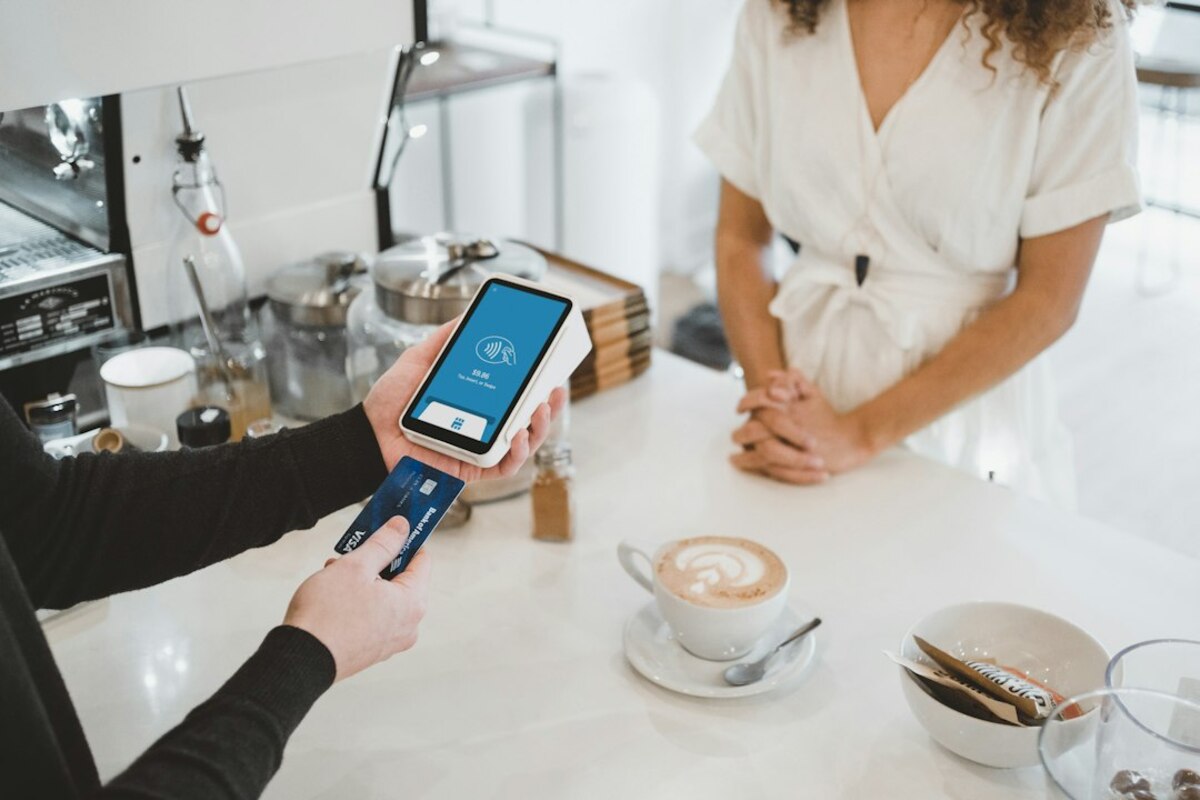
- “Pay by bank” uses secure bank-to-bank transfers (often via Open Banking) instead of card networks.
- It can mean lower fees for merchants and occasional discounts for customers—but protections differ from cards.
- Knowing when to use it (and when not to) helps you avoid surprises with refunds, disputes, and subscriptions.
What “Pay by Bank” actually is (and why you’re seeing it now)
You’re at an online checkout, and alongside Visa, Mastercard, and PayPal you spot something like “Pay by bank,” “Bank transfer,” or “Instant bank payment.” You click it and—instead of typing a long card number—you pick your bank, approve the payment in your banking app, and you’re done.
That’s the basic idea: paying directly from your bank account to the merchant’s bank account, without a card network sitting in the middle. Depending on where you live, this can be powered by:
- Open Banking-style payments (common in the UK/EU and spreading elsewhere): you authorize a regulated provider to initiate a payment from your account.
- Instant bank transfer rails: domestic real-time transfer systems that move money quickly between banks.
- Account-to-account (A2A) payments: a broad term for any direct bank payment, sometimes branded by payment companies to make it feel “checkout-friendly.”
Why now? Two forces are pushing it into everyday life:
1) Card costs are rising for businesses. Each card payment usually includes interchange fees, network fees, processor fees, and extra costs for chargebacks and fraud. Many merchants are hunting for alternatives that cost less per transaction.
2) Banking apps got good. A decade ago, “bank transfer” meant clunky forms and waiting days. Today, many people already approve logins and payments with face ID, a passcode, or a banking app notification. That makes bank payments feel almost as smooth as cards.
A quick everyday scenario: Imagine a small online furniture shop selling a $900 desk. On a card, the shop might lose a meaningful slice of that sale to fees. If “pay by bank” is cheaper, the store may offer you $15 off or free delivery if you use it. That’s why you’re seeing it advertised at checkout.

How it works at checkout (step-by-step) and what changes for you
Even though branding differs, most pay-by-bank checkouts follow a similar flow:
- You choose “Pay by bank.” The checkout asks you to select your bank.
- You’re redirected or prompted to approve in-app. This may open your banking app or a secure authorization page.
- You confirm the payment details. You typically see the merchant name and amount, then approve with biometrics/2FA.
- Money moves bank-to-bank. Confirmation can be instant or near-instant. The merchant gets a “payment completed” message.
This feels similar to paying with a wallet app, but the underlying rails are different. With a card, you’re using a credit line (credit card) or a card-based debit pull. With pay by bank, you’re usually authorizing a bank transfer.
That difference matters in real life because the “rules of the road” change—especially around disputes, refunds, and recurring payments.
| Topic | Card payment (credit/debit) | Pay by bank (A2A) |
|---|---|---|
| How you authorize | Card details + security checks (3DS, CVV) | Bank app approval / bank login + strong authentication |
| Who can reverse it | Chargebacks exist; card networks mediate disputes | Depends on scheme and country; often fewer “automatic” dispute tools |
| Refund speed | Often 3–10 business days (varies) | Can be fast if merchant sends instantly; can also be manual and slower |
| Typical merchant cost | Often higher, especially online | Often lower; sometimes flat or low variable fees |
| Best for | Travel, big purchases, situations where disputes matter | Trusted merchants, bill-like purchases, cases with discounts |
Notice the tradeoff: pay by bank can be convenient and sometimes cheaper, but cards have mature dispute processes that many people unknowingly rely on.
Mini-scenario: You buy concert tickets. The event gets canceled. With a credit card, you might file a chargeback if the seller stalls. With pay by bank, you may need to rely more on the merchant’s refund process and whatever protections your local payment scheme provides. That doesn’t mean you won’t get refunded—it means the path can be different.
There’s another quiet change: budgeting visibility. Card purchases often show up instantly as pending transactions, while bank-transfer-based payments can appear differently depending on your bank. If you’re the kind of person who checks your balance before buying groceries, it’s worth noticing how quickly these payments “settle” in your app.
When it’s smart to use pay by bank (and when you should think twice)
Pay by bank isn’t “better” or “worse” than cards—it’s a tool. Here are practical situations where it tends to shine, and where it can be risky.
Good times to use it
- You trust the merchant. Think: a major utility provider, a well-known retailer, your phone company, a recognized travel operator with a clear refund policy.
- You’re getting a real perk. Some merchants offer discounts because their costs are lower. If the discount is meaningful (and the seller is reputable), pay by bank can be a win.
- You’re paying something “bill-like.” Routine payments where you mainly want reliability (and you already know what you’re buying) are a natural fit.
- You want fewer card details floating around. If you dislike typing card numbers into new sites, a bank-auth flow can feel cleaner.
Times to think twice
- Big, complicated purchases. Furniture, appliances, expensive electronics—anything where delivery issues or returns are common. Card dispute options can be valuable if things get messy.
- Travel and bookings with lots of “what ifs.” Flights, hotels, car rentals: changes, cancellations, and no-shows happen. Cards often provide clearer escalation routes.
- Brand-new merchants you don’t know. If you found the site through a social ad and it’s your first purchase, the safer play may be a credit card.
- Situations where you need strong consumer protection. Laws vary by country, but card frameworks are widely understood; pay-by-bank protections can be newer or less standardized.
A simple “discount test” you can use: If a merchant offers 1% off to use pay by bank, but you’d lose credit-card protections and points/cashback, is it worth it? For a $50 purchase, that’s 50 cents. For a $1,000 purchase, it’s $10. The bigger the purchase, the more you should weigh protection and hassle—sometimes a small discount isn’t enough to justify giving up the flexibility of card disputes.
Subscriptions and recurring payments: the part many people miss
Some pay-by-bank setups can support recurring payments, but they don’t all work the same way. With a card, you can often cancel a card, replace it, or dispute a charge. With bank-based recurring payments, you may need to cancel through the merchant, your bank, or within the authorization you granted.
If you’re signing up for something that has a reputation for being hard to cancel (free trials, gyms, niche streaming services), it’s worth being extra cautious. Read what you’re authorizing and where you can revoke it.
Sometimes it is, but packaged for checkout. The goal is to make a bank transfer feel like a card payment: choose your bank, approve, and receive instant confirmation. Behind the scenes it may use instant transfer rails or an Open Banking payment initiation flow.
Sometimes it is, but packaged for checkout. The goal is to make a bank transfer feel like a card payment: choose your bank, approve, and receive instant confirmation. Behind the scenes it may use instant transfer rails or an Open Banking payment initiation flow.
Usually yes, but the process may rely more on the merchant’s refund policy and the specific rules of the payment method in your country. Cards typically have widely used chargeback mechanisms; pay-by-bank protections can be different and sometimes less straightforward.
Usually yes, but the process may rely more on the merchant’s refund policy and the specific rules of the payment method in your country. Cards typically have widely used chargeback mechanisms; pay-by-bank protections can be different and sometimes less straightforward.
In many regions, regulated providers use strong customer authentication and secure authorization flows. Still, safety also depends on using legitimate merchants, checking the URL/app prompts, and never approving a payment you don’t recognize.
In many regions, regulated providers use strong customer authentication and secure authorization flows. Still, safety also depends on using legitimate merchants, checking the URL/app prompts, and never approving a payment you don’t recognize.
Practical habits that reduce regret
- Screenshot or save the confirmation screen the first time you use a new method. It helps if you need support later.
- Use pay by bank for merchants you’d happily call customer support for. That’s a good “trust threshold.”
- For high-stakes purchases, ask yourself: “If delivery goes wrong, what’s my backup plan?” If your backup plan is “my credit card,” then consider using the card.
- Watch for lookalike prompts. Fraudsters love anything that trains people to approve payments in an app. If a prompt arrives unexpectedly, don’t approve it—open your banking app directly and check.
Why merchants like it (and what they might do with the savings)
Even if you never see the behind-the-scenes math, merchant costs shape your shopping experience. Lower payment costs can lead to:
- More discounts for certain payment types (explicit or “quiet” via lower prices).
- Fewer abandoned checkouts if the flow is smooth and trusted.
- Less fraud and fewer chargebacks in some contexts, because bank authentication can be strong and because chargeback processes differ.
But there’s a tradeoff on their side too: if customers are used to the protections and simplicity of cards, merchants have to explain pay by bank clearly—otherwise it looks unfamiliar and people skip it.
A final real-world angle: workplace expenses
If you buy things for work and get reimbursed, pay-by-bank can make the “paper trail” different. A card receipt plus a card statement line is a familiar combo for expense reports. A bank-based payment may show as a transfer with different descriptors. If your company is strict about documentation, keep receipts organized and check how the transaction appears in your banking app before you rely on it for frequent reimbursements.
As pay-by-bank options keep appearing at checkout, you don’t need to treat them as mysterious fintech wizardry. Think of them as a new lane on the payments highway: often cheaper for the store, sometimes better for you, and occasionally worth avoiding when you want the strongest dispute safety net.