The 10-Minute “Closing Shift”: A Simple Night Routine That Stops Morning Chaos
A quick end-of-day tidy for your desk, kitchen, and brain. Ten minutes now can save you stress, lost items, and rushed mornings tomorrow.
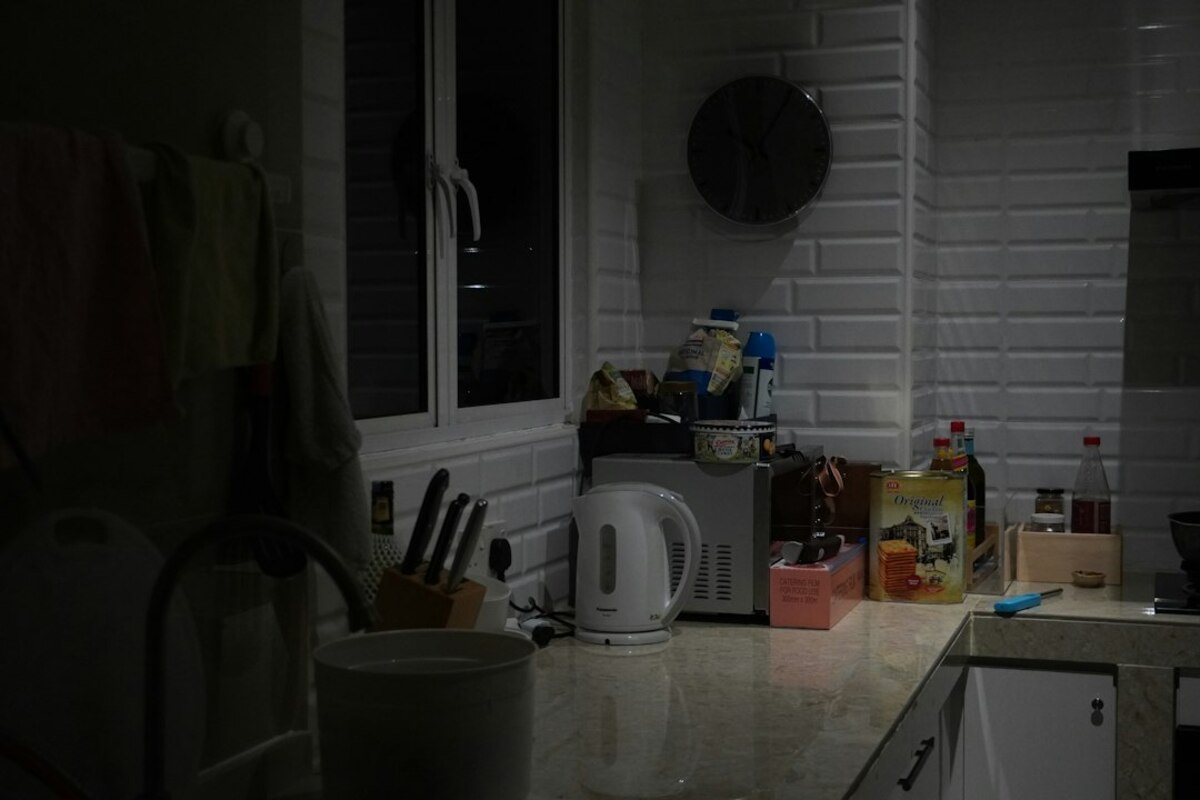
- A “closing shift” is a short nightly reset that makes the next morning friction-free
- Focus on a few repeatable hotspots (keys, counter, inbox) instead of cleaning everything
- Use a tiny checklist and a timer so it stays easy—and actually happens
What a “closing shift” is (and why it feels weirdly powerful)
Restaurants do it. Retail stores do it. Even busy clinics do it: before locking up, someone runs a quick “closing shift.” It’s not a deep clean. It’s a short, repeatable set of actions that makes the next day start smoothly—no hunting for tools, no surprise messes, no “why is the register out of paper?” moments.
You can steal the same idea for home life. A personal closing shift is a 10-minute routine you do before bed to reduce tomorrow’s chaos. It’s less about being tidy and more about removing tiny obstacles that trip you up in the morning: missing keys, overflowing counters, a dead phone battery, that one lunch container you can’t find when you’re already late.
Think of it like resetting a board game after playing. You’re not improving the game. You’re simply putting pieces back where they belong so the next round starts fast. Mornings are your next round.
Here’s the mindset shift that makes it work: instead of asking “Do I feel like cleaning?” you ask “What would Future Me be grateful for in 10 hours?” That keeps the routine practical, not perfectionistic.

Build your 10-minute closing shift: three hotspots and a timer
The mistake most people make is trying to reset the entire home. That turns “10 minutes” into “an hour I don’t have,” and the routine dies by day three. A real closing shift focuses on predictable trouble spots—places where clutter or unfinished tasks reliably steal time tomorrow.
A simple way to choose your hotspots is to think about what makes you late, what makes you irritated, and what causes the most little “where is it?” moments. For most households, the best return comes from three zones:
- Launchpad: where you leave/need items to go out (keys, wallet, earbuds, badge, dog leash).
- Food zone: kitchen counter and sink area (dishes, lunch prep, coffee setup).
- Work/phone zone: desk, bag, chargers, and one quick look at tomorrow’s calendar.
Now add the rule that keeps it small: 10 minutes, timer on, stop when it rings. This is about consistency, not finishing everything. Many nights you’ll be surprised how much resets in 10 minutes when you’re not negotiating with yourself.
To make it even easier, use a micro-checklist you can run on autopilot. You can write it on a sticky note, put it in a notes app, or tape it inside a cabinet door. Here’s a starter version you can copy:
| Zone | What to do (fast) | Why it helps tomorrow |
|---|---|---|
| Launchpad | Put keys/wallet/ID in one bowl or hook; place bag by the door; set out anything you must not forget | Fewer “where is it?” searches; faster exit; less risk of leaving without essentials |
| Kitchen | Clear one counter; rinse/stack dishes; start dishwasher if needed; prep coffee mug/water bottle | Morning starts calm; easier breakfast; less visual clutter before work |
| Desk/Tech | Plug in phone; close laptop tabs; place tomorrow’s top task on a note; quick calendar glance | No dead battery; fewer distractions; less decision fatigue first thing |
Notice what’s missing: “clean the entire bathroom,” “organize the closet,” “rearrange the pantry.” Those are projects, not closing shift tasks. If you want, you can schedule those separately. The closing shift is an end-of-day safety net.
A quick scenario shows why this matters. Imagine two mornings:
- Morning A (no closing shift): You wake up and step into a kitchen with last night’s dishes. You can’t find your travel mug. Your phone battery is at 9%. You’re already thinking about being late, so your brain goes into speed mode—and that’s when you forget your badge.
- Morning B (closing shift): You wake up and the counter is clear enough to make toast. Your mug is ready. Phone is charged. Your keys are on the hook. It’s not “perfect,” but the morning is a straight path instead of an obstacle course.
The difference isn’t motivation. It’s setup.
Make it stick: tiny rules that prevent the routine from collapsing
Most routines fail for predictable reasons: they’re too big, they rely on willpower, or they don’t match real life (tired evenings, messy days, unexpected plans). The closing shift works best when you build in a few protective rules.
Rule 1: The “minimum viable close.” Decide what counts as “done” on your most exhausted nights. For example:
- Keys and wallet in the same spot
- Phone plugged in
- One counter cleared (even if the sink isn’t perfect)
If you do only those three things, you still win. This prevents the all-or-nothing trap where missing one step makes you abandon the whole routine.
Rule 2: One basket beats ten trips. Keep a small basket or bin in a central spot. During your 10 minutes, anything that belongs elsewhere goes in the basket. You’re not walking around the house doing a scavenger hunt. If you have time after the timer, you can drop items off. If not, the floor looks better immediately and the mess is contained.
Rule 3: Don’t “organize” during the close. Closing shift is for resetting, not rearranging. If you pick up a pile of mail and start sorting it, you’ve accidentally started a new project. The move is: stack it neatly, or put it in one designated “to handle” tray.
Rule 4: Pair it with something you already do. The easiest habit is one that piggybacks on an existing one. Common anchors:
- Start the timer right after brushing your teeth
- Do it while the kettle boils for herbal tea
- Do it right after putting kids to bed
- Do it while listening to one specific song or playlist
When the cue is consistent, you don’t have to remember the routine—you just fall into it.
Rule 5: Tune it to your life, not someone else’s. If you don’t eat breakfast at home, the “coffee station” step is pointless. If you always lose your gym card, the launchpad needs a dedicated spot for it. Your closing shift should reflect your actual mornings.
Here are a few versions for different lifestyles, so you can see how flexible it is:
- Remote worker: Clear desk surface; set tomorrow’s top task; close laptop; plug phone; quick kitchen reset.
- Commuter: Pack bag; place keys and transit card; set out clothes; prep water bottle; charge headphones.
- Parent of young kids: Load dishwasher; set out breakfast basics; sign school form and place it by the door; lay out one outfit per child.
- Shared household: Agree on two shared steps (e.g., counter cleared + sink empty enough). Keep the rest personal to avoid resentment.
If you live with other people, you can also make the closing shift feel less like “cleanup duty” and more like a shared reset. Some households use a simple phrase like “closing shift starts now,” set a 10-minute timer, and everyone does one small thing. No lectures, no scorekeeping—just a quick sprint that benefits everyone tomorrow.
To address the most common friction point—“I’m too tired”—try this reframe: a closing shift is not an extra task; it’s moving effort from the worst time (tomorrow morning when you’re rushed) to a better time (tonight when you can do it slowly). It’s like putting your shoes by the door instead of searching for them with one sock on.
Yes, because you’re not trying to “finish” the mess. You’re creating a clear path for tomorrow: a usable counter, a known spot for essentials, and fewer morning decisions. Ten minutes is enough to change how a space feels even if it isn’t perfect.
Yes, because you’re not trying to “finish” the mess. You’re creating a clear path for tomorrow: a usable counter, a known spot for essentials, and fewer morning decisions. Ten minutes is enough to change how a space feels even if it isn’t perfect.
Most people get the biggest benefit on weeknights. If daily feels like too much, aim for “most nights” and protect the nights before your busiest mornings. Consistency matters more than perfection.
Most people get the biggest benefit on weeknights. If daily feels like too much, aim for “most nights” and protect the nights before your busiest mornings. Consistency matters more than perfection.
Pick one hotspot only (usually the launchpad). Put a hook/bowl by the door, then commit to “keys and phone” every night for a week. Once that’s automatic, add the kitchen counter or the desk.
Pick one hotspot only (usually the launchpad). Put a hook/bowl by the door, then commit to “keys and phone” every night for a week. Once that’s automatic, add the kitchen counter or the desk.
If you want a low-effort way to personalize your closing shift, try a quick two-day experiment. Night one, do your best guess at a 10-minute close. The next morning, notice what still irritated you or slowed you down. Night two, adjust the checklist so it directly fixes that one thing. Over a week, the routine becomes tailored to your real friction points, not an idealized version of home life.
One last practical tip: keep supplies where the closing shift happens. A disinfecting wipe pack under the sink, a small trash bag roll in the kitchen drawer, a charging cable where you actually sit. The fewer steps required to start, the more likely you’ll do it—especially on tired nights.