The “Phone-Free First 30 Minutes”: A Simple Rule That Makes Your Day Feel Less Rushed
Delaying your first scroll by 30 minutes can reduce stress, sharpen focus, and make mornings feel calmer—without quitting your phone.
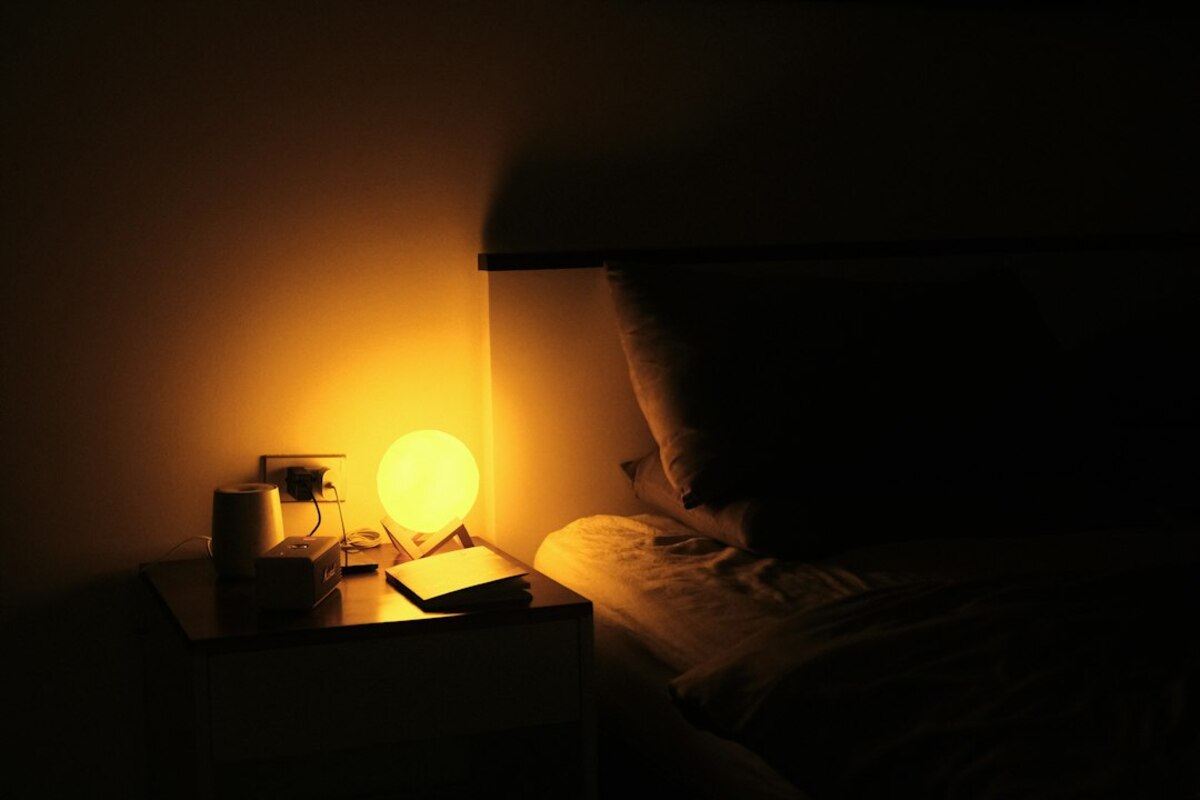
- Your brain is more suggestible right after waking—what you feed it first can set your mood and pace.
- A 30-minute delay is easier than “no phone” and still creates noticeable benefits for focus and stress.
- Make it stick with tiny friction (charging location, alarms) and a simple replacement routine.
Why the first half-hour matters more than you think
Picture two versions of the same morning.
Version A: Your eyes open, and your hand finds your phone before your feet find the floor. A few notifications. A couple of headlines. One message that feels urgent. Five minutes later, you’re replying to something you didn’t plan to deal with until later. Suddenly, you’re already “behind,” even though the day has barely started.
Version B: Your eyes open, and your phone stays where it is. You use the bathroom, drink some water, open a curtain, maybe stretch. You still check your phone—just not immediately. When you do, you feel more like you’re choosing to look rather than being pulled into it.
The “Phone-Free First 30 Minutes” is exactly what it sounds like: after waking up, you avoid using your phone for the first 30 minutes. Not forever. Not all morning. Just the first half-hour. It’s a small boundary that often delivers a surprisingly big shift in how your day feels.
Why does this specific window matter?
In the first moments after waking, your brain is still transitioning from sleep mode to “ready for the world” mode. You’re more sensitive to emotional cues and more likely to be steered by whatever appears in front of you. If the first thing you consume is a flood of other people’s priorities—work chats, breaking news, social posts, reminders—you can start the day in reaction mode.
Think of it like setting the temperature in a room. The first input doesn’t decide everything, but it nudges the whole system. If your first input is calm and physical (light, water, movement), you often feel more grounded. If your first input is intense, urgent, or comparison-heavy, your nervous system can ramp up before you’ve even had breakfast.
This isn’t about demonizing phones. Phones are useful. They’re also extremely good at being the “loudest person in the room.” The point of the first 30 minutes is to give you the microphone first.

What’s actually happening when you start the day with a scroll
Most people don’t choose their morning phone use with intention. It’s a reflex: wake → check. Because it’s common, it can feel harmless. But there are a few predictable ways it can affect your morning—and the rest of your day.
- You borrow other people’s urgency. A late-night email from a coworker, a group chat debate, a notification from an app designed to pull you back in—none of these are inherently “bad,” but they can shift you into problem-solving mode instantly. That can be useful at 2 p.m. It’s not always helpful at 7 a.m.
- Your attention gets fragmented before you’ve “set” it. The early morning is one of the few times your brain hasn’t yet been chopped into tabs. Scrolling opens a dozen tabs at once—news, messages, to-dos, entertainment—before you’ve decided what you actually want from the day.
- Comparison sneaks in early. Even a quick peek at social feeds can trigger subtle comparison: productivity, looks, vacation plans, relationships. Starting the day with that lens can make your own life feel slightly off before you’ve even entered it.
- You train your brain to expect instant stimulation. If your first waking minutes are fast, bright, and rewarding, quieter tasks later (reading a document, cooking breakfast, getting dressed) can feel unusually dull. It’s like blasting music at full volume and then trying to appreciate a whisper.
- Time slips. Many people pick up their phone “just for a minute,” and suddenly 20 minutes are gone. Not because of weak willpower, but because apps are designed to keep you there.
Here’s a simple way to think about it: your morning attention is like a fresh notebook page. If you open your phone immediately, other people start writing on it. If you wait 30 minutes, you get to write the first lines yourself.
If you like seeing things laid out, here’s a practical comparison of what the first half-hour can look like with and without the rule.
| First 30 minutes | Typical “wake & scroll” | Phone-free first 30 |
|---|---|---|
| Mood | More reactive (notifications can spike stress) | More self-led (you choose inputs) |
| Time perception | Time disappears quickly | Time feels slower and more spacious |
| Focus | Attention splits into multiple threads | One thread at a time (easier to prioritize) |
| Body needs | Often delayed (water, light, movement) | Often met sooner (basic reset happens first) |
| Work boundary | Work enters the bedroom easily | Work waits until you’re ready |
None of this requires a perfect morning routine. It’s less about doing “all the right things” and more about removing one common source of mental noise at the start of the day.
How to do it without feeling deprived (or missing something important)
The reason this rule works for many people is that it’s specific and finite. You’re not banning your phone. You’re delaying it.
But a rule only helps if it fits real life. Here are ways to make it practical, including if you have early meetings, kids, or you’re “on call” for family.
Step 1: Pick your version of “phone-free.”
Decide what counts as “using your phone” for you. One simple definition is: no social apps, no email, no news, no messaging. But you may allow a few essentials.
- Allowed (common choices): alarm, checking the time, a single call if needed, a pre-downloaded playlist, accessibility tools
- Not allowed (common culprits): email, work chat, social media, news, shopping, short-form video
This keeps the habit from feeling like a moral battle. It’s a boundary around the most attention-hijacking categories.
Step 2: Create tiny friction (so autopilot can’t win).
Willpower is unreliable at 6:45 a.m. Friction is dependable. You want the phone to be available but not instantly reachable.
- Charge your phone outside the bedroom, or at least across the room.
- If you need it for an alarm, use a basic alarm clock and keep the phone elsewhere.
- Move the most tempting apps off the home screen (or into a folder called “Later”).
- Turn off non-essential notifications the night before.
Think of friction like putting your cookies on a high shelf. You can still have one. You’re just less likely to eat three without noticing.
Step 3: Replace the scroll with a short “landing routine.”
The hardest part is not checking your phone—it’s the awkward empty space it reveals. That’s why a replacement works better than a void.
Try a simple 3-part landing routine (takes about 5–10 minutes total):
- Light: open curtains, step outside for a minute, or turn on a bright lamp
- Water: drink a glass (or even a few sips)
- Body: stretch, shower, or do a slow walk around your home
These are boring in a good way. They tell your body, “We’re awake, and we’re safe.”
Step 4: Use a “worry note” so your brain doesn’t bargain.
A common reason people reach for their phone is to calm a mental itch: Did I miss something? What if there’s a problem?
Keep a pen and paper nearby. If your mind nags you with something urgent-sounding, write it down. Example:
- “Check email for the 10 a.m. meeting link.”
- “Text Mom back.”
- “Look up that bill due date.”
This reassures your brain that the task is captured, so it doesn’t need to grab your phone as a safety behavior.
Step 5: Make exceptions on purpose (instead of failing accidentally).
Some mornings genuinely require your phone—travel days, sick kids, on-call work, a family situation. The habit still works if you treat exceptions like a planned detour, not a broken rule.
Try an “If-Then” approach:
- If I must check messages early, then I will only check the one channel/person I need and stop.
- If I need my phone for a ride-share, then I won’t open any other apps while waiting.
Below is a quick FAQ to address the most common sticking points.
Keep the alarm, but remove temptation: place the phone across the room, set it to "Do Not Disturb" overnight, and avoid unlocking it after you silence the alarm. If you want an easier win, use a basic alarm clock for a week and see how it feels.
Keep the alarm, but remove temptation: place the phone across the room, set it to "Do Not Disturb" overnight, and avoid unlocking it after you silence the alarm. If you want an easier win, use a basic alarm clock for a week and see how it feels.
You can set up a “VIP lane”: allow calls from specific people (partner, kids’ school, a parent) to ring through. Urgencies are usually calls, not notifications. You’re not going offline—you’re reducing the non-urgent noise.
You can set up a “VIP lane”: allow calls from specific people (partner, kids’ school, a parent) to ring through. Urgencies are usually calls, not notifications. You’re not going offline—you’re reducing the non-urgent noise.
Boredom is a sign you’ve removed a high-stimulation input. Make the replacement concrete: keep a book by the bed, prep coffee/tea the night before, or do a two-song stretch. The goal isn’t to be entertained—it’s to arrive in your day gradually.
Boredom is a sign you’ve removed a high-stimulation input. Make the replacement concrete: keep a book by the bed, prep coffee/tea the night before, or do a two-song stretch. The goal isn’t to be entertained—it’s to arrive in your day gradually.
A realistic way to start: You don’t have to begin with 30 minutes. Start with 10 minutes for three mornings. Then move to 20. Then 30. Many people notice a shift even at 10 because it breaks the “wake → scroll” chain.
What you might notice first:
- Morning feels less rushed, even if your schedule hasn’t changed.
- It’s easier to eat breakfast or get ready without distraction.
- Your first interaction with someone (partner, roommate, kid) feels more present.
- Checking your phone later feels more intentional, less like a reflex.
The small magic of the “Phone-Free First 30 Minutes” is that it doesn’t ask you to become a new person. It simply gives you a head start on your own attention—before the rest of the world reaches for it.